Monday, August 8, 2011

Three years out

I have now gone past three years since my weight loss surgery and I decided to evaluate my status and see how I am doing. Also I needed to think about where I am headed. At 65 years old a lot of physical factors are impinging on you, A lifetime lived for better or worse, leaves you with scars, residual aches and pains and a lot of memories. So I will assess where I am in August 2011 and see where I have been in light of my weight loss, my physical health and where I want to be.

In 2008 on the 4th of June, I checked into California Pacific Hospital in San Francicso, California to have my vertical sleeve gastrectomy performed by Dr. Jossart. I had lost about 8 pound in the month between my initial meeting with him in May and my weight was 292 pounds. I had a BMI of about 45. At about 2PM that afternoon I went into surgery and then next time I knew what time it was, it was 530PM and I was back in my room. On June 5th, a bit after noon, my son picked me up and I returned to my home in Santa Rosa, California. For those first few weeks I took it easy with a liquid protein diet, riding the stationary bike and walking. I followed the “book” I had been given by Dr. Jossart to the letter. I knew I was losing weight because my clothes were starting to get very loose. Elastic pants worked the best.

I lost weight virtually continuously for the next year. On June 4th 2009 I weighed 170 pounds and had dropped 12 inches in my waist and gone from a jacket size of 54 to a 44. I was having no significant problems and could eat almost anything I wished. Tomato sauces and red wine did cause me some pain so I restricted my intake of those items. Ground beef (fast food hamburgers) also created significant pain so they also were avoided. Since I was in Italy and cooking with the AmoreSapore cooking program I could control what and how I ate to some degree. As time went past, I continued to slowly lose a few more pounds and ultimately reached 161 pounds. Dr. Jossart had given me a target weight of 154 when I first visited him and I had laughed at the thought of that. But there I was in 2010 at 96% of that goal. That by itself was actually hard to comprehend. I had not been that weight since I was 15 years old and a sophomore in high school. I was 64 years old with heart disease and I had gone back to the weight I was in high school. I thought that all was well in my life.

I bought new clothes, smaller clothes. I studiously avoided anything that had the insidious label on it of Extra large! I promised myself I would NEVER go back to that excess weight again. And for another year I maintained that weight at 165. I was cooking as part of the AmoreSapore team and a lot of people wanted to know how I could be a cook and still stay thin. I said it was always a matter of taste. Eight Bites were all I needed to satisfy me, from both a nutritional and an emotional level. I tasted things as I prepared them, and I was satisfied with the bits and morsels allowing me to eat a wide variety of foods, satisfy my nutritional demand and still create meals of substance for the guests.

I returned to California at the end of September 2010 and began trying to establish a cooking career. Over time while I cooked fairly frequently, it was not enough work to meet my financial obligations and I began seriously looking for a job back in the environmental industry where I had an almost 40 year career. In those stressful times I noticed that while I didn’t seem to be eating more, my weight began creeping upwards. First to 170, then to 175. My waist increased to 35 inches and my jackets went from 42R to 44R. When I went to the doctor and weighed on their scales, I was heavier than on my scale at home. I began evalating my diet, lifestyle, stressors, etc to see if I could get a clue as to the weight gain. I have written previously about some of the issues and increased calories. My doctor felt that I was reestablishing my satisfactory weight, but that didn’t help me button my jackets that were now 1” too tight.

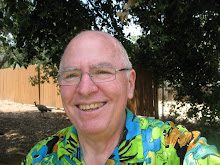
So here I am in the summer of 2011. I am at 190 pounds, my waist has not increased and my jackets remain where they were at 44R. I feel OK and I am now working full time for a couple of environmental laboratories in the Los Angeles area. Work has been going well and while I am staying in residential hotels, I am able to control my food consumption and stay away from the fast food gauntlet on every thoroughfare in the Los Angeles area.

In the last few months I have had to have a stent put in an blocked artery in my heart  and have learned to live with the realities that I have heart disease from a lifetime of excess weightr and my weight loss, while helping, has not diminished the heart disease. I will be held responsible for that and my life will undoubtedly be shortened by that issue. But I will continue to walk the path that I am on. I can only do what I can do right now to make myself healthier. One of those things is to exercise more and try to drop 4-5 pounds. That will not make me healthier but will make me a bit happier with myself.

The take away lesson here is that if you do this weight loss process do it because it will make you healthier. It will likely make you happier with who you are and how you look. But it will not make you a different person than you were pre-surgery. Pre-existing illnesses, health effects and other issues will still be there. I guess I have done what I could. Now I have to maintain it for as long as I can. Stay tuned. One thing for sure is that I will never go back to the weight I was before the surgery.

Tuesday, May 24, 2011

Braised meats

In the post-surgical world after WLS, the textural quality of foods is very important to our ability of eat dishes like meats as well as digest them efficiently. I have found that braising meats often makes them more easily eaten and when using braising you can greatly increase the taste profiles and flavors of the dish. Normally, braised meats are served over some carbohydrate such as rice, mashed or roasted potatoes, polenta, or other types of pasta. In our world of restricted eating, carbohydrates are a significant component of the following dishes. You just have to adjust the quantity you eat. I have included three chicken dishes and one using fish. These are generally dishes which make a lot of food, so be prepared either to have some friends over or put some of the food away in the freezer for another meal or two. Mangia!
Chicken in green chili mole
Moles are typical chile sauces made in Mexico and central America and provide a complex flavor to the dishes where they are used. There are hundreds of recipes for moles, and they often include many different types of chiles, bitter chocolate and lots of different spices. They are often very complex but well worth trying. Mexican and Central American markets will often have the primary ingredients. This mole is pretty simple and provides a nice spicy counterpoint to the chicken.

1 whole chicken (3–4-lb), cut into 8 pieces
1/2 cup chopped cilantro stems
2 tbsp. kosher salt
1 tsp. whole black peppercorns
2 cloves garlic, chopped
1 large yellow onion, chopped
1 bay leaf

Green chili mole
8 oz. tomatillos, peeled and chopped
2 jalapeños, stemmed and chopped
1/2 cup cilantro leaves
2 tbsp. kosher salt, plus more to taste
2 cloves garlic, chopped
2 8″ flour tortillas, toasted
3 tbsp. canola oil
Directions: To cook the chicken, place the chicken pieces, cilantro, salt, peppercorns, garlic, onion, bay leaf, and 12 cups water in a 6-qt. saucepan and bring to a boil; reduce heat to medium-low and cook, covered and stirring occasionally, until chicken is tender, about 30 minutes. Remove chicken from saucepan and strain liquid through a fine strainer; reserve about 4 cups of the braising liquid. Save remaining liquid and freeze for another use as a spicy addition to rice or a simple chicken soup. Set chicken and liquid aside.
Heat tomatillos and jalapeños in a 4-qt. saucepan over medium heat and cook, stirring occasionally, until darkened and thick, about 10 minutes. Transfer the cooked mixture to a blender with cilantro, salt, garlic, tortillas, and 1 cup reserved cooking liquid; puree until smooth.
Heat the oil in a 6-qt. saucepan over medium-high heat; then add the tomatillo sauce and fry, stirring constantly, until it thickens into a paste, about 5 minutes. Whisk in remaining cooking liquid and bring to a boil; reduce heat to medium-low and cook, stirring, until reduced and thickened, about 30 minutes. Add chicken pieces and cook until heated through, about 10 minutes. Serve with rice cooked with chopped tomato, chopped onions, and tablespoon of salsa and heated flour or corn tortillas.

Chicken Stewed in Coconut Milk
Coconut milk is used in chicken stews from Southeast Asia to Africa, from which this fragrant dish hails. It makes a very delicious braising liquid, imparting an exotic flavor to the meat. This is a highly spiced dish requiring some spices that may not be common on your pantry shelves. If the turmeric has been in the cabinet for so long you forgot it was there, it would probably be best to toss it and get a new bottle. The same holds true for lots of ground spices like cardamom, cloves, cinnamon, and cumin. Whole spices can last for a long time, if you toast them gently then grind them for each use. Ground spices are probably good for about a year, and then become relatively tasteless. Depending upon the number of chilies used this dish can be from moderately spicy to very hot. Thai chiles can be found at oriental groceries or small red chiles can substitute. Use your palate’s judgment as well as some restraint, when you cook this for the first time. This dish will serve 6-8 people. 

1⁄4 cup canola oil
1 1⁄2 tsp. ground turmeric
4 cloves garlic, minced
4 green or red Thai chiles, stemmed, seeded, and minced
4 plum tomatoes, cored and minced
1 medium red onion, minced
4 skinless bone-in chicken legs and thighs, separated
1⁄4 cup fresh lime juice (don’t use bottled lime juice here)
2 14-oz. cans coconut milk
Kosher salt and freshly ground black pepper, to taste
4 cups cooked rice, for serving
Finely chopped fresh cilantro, for garnish 
Directions: Heat the oil in a 6-qt. pot over medium-high heat. Add the turmeric, garlic, chiles, tomatoes, and onions and cook, stirring often, until the onions are caramelized, 20–25 minutes. Add chicken to pot along with lime juice and coconut milk. Bring mixture to a boil and reduce heat to medium-low; simmer, stirring occasionally, until chicken is tender, about 30 minutes. Season with salt and pepper. To serve, put rice into 4 serving bowls and spoon chicken and sauce over rice. Garnish with cilantro and season with more black pepper.

Chicken “Osso Bucco”
This is a nice variation on the classic Italian veal shank dish. Serve it with a classic gremolata (finely minced mixture of parsley, lemon peel, and garlic). 
8 chicken drumsticks or thighs
4 tsp. all-purpose flour
2 tbsp. extra-virgin olive oil, plus extra for pasta
1 carrot, peeled and diced
1 onion, diced
1 stalk celery, diced
1 red bell pepper, diced
8 cloves garlic, peeled and chopped
1 cup dry white wine
2 cups tomato sauce
4 cups chicken stock

Salt and freshly ground black pepper
1 sprig of fresh thyme and a bay leaf
1 1⁄2–2 cups penne pasta
1 tomato, diced
Chopped fresh parsley 
Directions: Lightly coat drumsticks with flour. Heat olive oil in a large ovenproof skillet over medium heat. Add drumsticks and cook until golden brown, about 2 minutes per side. Transfer to a plate and keep warm.  
Add carrots, onions, celery, peppers and garlic to skillet and cook over medium heat until lightly browned, about 3 minutes. Add wine and scrape up any browned bits. Add tomato sauce, chicken stock, zest, and juices. Season to taste with salt and pepper and add the thyme and the bay leaf. Continue cooking, uncovered, over medium-high heat until sauce thickens, 20–30 minutes. 
Preheat oven to 325°. Return the chicken to pan and bake, covered, until chicken is cooked through, 20–30 minutes.  
Cook the pasta in a large pot of salted water until al dente. Drain and toss with a little olive oil. To serve, spoon chicken and sauce over pasta and garnish with tomatoes and parsley or the gremolata.  

Braised Cod with Kale and potatoes
Cod is a meaty, hearty fish that stands up to the dense and earthy flavor of kale. You can also substitute halibut for the cod. Serve this dish with French bread and a fresh green salad.  
1 lb. leeks
4 tbsp. extra-virgin olive oil
2 cloves garlic, peeled and minced
1 lb. new potatoes, washed and halved
1 lb. thick cod or halibut fillets cut into large pieces
3 packed cups washed, stemmed, and roughly chopped kale leaves
1 cup dry white wine or stock
Salt and freshly ground black pepper 
Directions: Trim off and discard green tops of leeks. Roughly chop the white part, place in a colander, and wash thoroughly in running water to remove all sand. Drain and dry on paper towels. Heat 3 tbsp. of the olive oil in a large sauté pan over low heat. Add leeks and garlic and cook slowly until leeks are tender, about 20 minutes.  
Dry potatoes well and add to the pan. Raise heat to medium-high and sauté until lightly browned, about 3–5 minutes. Add kale and stock or white wine. Cover, lower heat, and simmer until potatoes are tender and kale has cooked down, about 15 minutes.

Meanwhile, sear the fish in a lightly oiled nonstick pan over medium-high heat until golden, about 1 minute per side. Add fish to kale mixture and continue to simmer until fish is opaque, about another 5 minutes. Season to taste with salt and pepper and serve.


Wednesday, March 23, 2011

Crackers and cheese

There is a commonly held belief in our weight-conscious society that eating slowly will help you lose weight. This belief has been around for a long time and has attained the level of “truth.” But is it “truth”? The hard science behind this “truth” is generally lacking. As a scientist, I believe in the scientific method. This method moves from a question, to testing, to an answer, and then to another question. Science moves forward on the development of a sound hypothesis or question. The next phase is the design of rigorous experiments and the testing of that hypothesis to determine if it can be disproved. It is inherently difficult to disprove an idea so it is imperative that we attempt to do so. If we cannot rigorously disprove a hypothesis, it becomes a theory and therefore simply another question. A lot of the weight loss documentation in the field seems to be based upon proving a hypothesis or justifying the specific question or idea that is posed. It often appears that many of these research efforts are designed ultimately to sell some diet plan, diet pill or quick fix program to those of us out there struggling with weight issues.


Back to the issue of eating quickly or slowly. Dieters are counseled to eat slowly and chew their food many times, and put their fork down between bites. This enforced slowing of the consumptive process is theoretically intended to trick the body into sending messages to the brain that you are full and then this tells you to stop eating, before you eat too much. Fast eating may overwhelm the body’s intrinsic hormonal and psychological systems and allow you to eat more, because the message to the brain that you are full is delayed. I have also said that eating your Eight Bites slowly can be incorporated into a active social process which includes eating with friends and family who have not had bariatric surgery, may not be heavy, and may not be on a diet. So what do we do? Eat fast or eat slowly?

After WLS, your body processes eating inputs differently than before. Eating fast or slow was relevant to the information inputs from the stomach to the brain. After WLS when you are physically restricted from eating too much, a different set of conditions occurs. You are now responsible for how much food is put into your body (stomach or what is left of it). The hormonal and neural inputs have been altered and no longer function at the same level. After WLS, you have to learn to feel that you are full, or preferably one bite less than full and stop eating. Overeating after WLS has a variety of effects. It can be painful from over-distending the stomach or pouch; and it can in the early period immediately after surgery cause the surgical site to rupture causing a serious infection (peritonitis) that is often life-threatening. So after WLS you have to learn to know your body better than you did before. After WLS you have to feel and know when to stop eating.

This knowledge is a combination of stomach capacity and your own ability to look at what you are eating and say that is enough. Enough? That is probably the most difficult thing we have to understand after we have undergone the surgical procedures to lose the weight. How do we know what enough is? If you have lived your life never limiting your capacity to eat, this is a difficult thing to understand. First you have to know how much food you can physically put into that newly altered physical environment called your digestive storage system (previously known as your stomach). Your doctor’s instructions are very clear on how that early period post-surgery should be handled. You are likely drinking high protein liquids, which do not put excessive pressure on your surgical site and also provide you with the nutrition your body needs. It is actually pretty easy in those first weeks and months as you rapidly see yourself losing weight, and losing inches. It is easy to succeed when you are succeeding easily. When you switch to a more normal diet is when things get more difficult. Over time as the weight falls off you start to get back into a more “normal” mode of eating. Breakfast, lunch, dinner, and snacks all become part of your normal life. In a year or more post-surgery you will reach a point where you will not lose any more weight. If you are near your ultimate goal you may be satisfied. If you are not, it may be time to critically evaluate the factors in your nutritional world.

This is the time you need to look clearly at what you are eating, when you are eating, and how you are eating in this new environment. This is a time for total honesty with yourself. You went into this weight loss regimen for a reason. What was it? Was it for your health and the desire to increase the potential for a longer healthier life? An honest appraisal of your motives is critical at this point. It may make the difference between your successful weight loss and the potential to put weight back on.

In the last few months I have put approximately 12 pounds back on and I contacted my doctor. His response was because I had been having my heart issues in January and February, I had cut back on my exercise and also probably was retaining fluid as well. So I increased my exercise after the angioplasty. But I also started to examine what and when and how I was eating. After you have WLS you tend to think that calories don’t really count anymore because you can only eat a small amount of food. It can be a very slippery slope if you stop considering what caloric values foods have. And can be even more slippery, if you neglect the exercise so fundamental to the maintenance of the weight loss.

You need to examine what you are eating in light of both the volume and caloric values. I realize that you are eating much smaller amounts than you used to but it is time to examine the true nutritional value of the food you are eating. The first thing is to make a list of what you ate today. Include the estimated amounts in your list. I created spreadsheet that had one worksheet that was a list of foods, their caloric values per unit, and the total grams of proteins, fats and carbohydrates. A second sheet held a calculation sheet. To start I input the foods I ate the day I created the spread sheet, and I found out my day’s intake was 1600 calories instead of the 800-900 calories I thought I was eating. Wow! In my case I found I was snacking on too many crackers and cheese. Ten crackers were about 100 calories, an ounce of cheese is about 100-120 calories, and a tablespoon of butter is 100 calories. So snacking on crackers and cheese at intervals during the day can add 400-600 calories to your diet. That can take you from 900 calories per day to 1500 calories per day, and gradually put on a few of those unwelcome pounds again. If anyone wants a copy of my spreadsheet just email me at kfk125@yahoo.com and I will send it to you.

Now back to the original question that started this entry, should you eat fast or slow? A recent research study published by a group of Dutch scientists suggested that eating slowly doesn't make you eat less than if you eat more quickly. The researchers compared what happens to meal size and appetite by having a group of volunteers eat a leisurely two-hour lunch, and at another time, eat the same lunch in just 30 minutes. They found that the volunteers did indeed feel fuller after the leisurely meal, and were still satiated several hours later. But despite feeling full, when presented with an offering of traditional snacks several hours after lunch, the group who ate the slow meal snacked on as many calories as they did following their 30-minute meal. What this means is that regardless of whether they ate quickly or slowly, it did not translate into an unwillingness to snack on post lunch snacks. So in terms of dieting, snacking is a potentially big problem. As I have personally seen, eating typical post WLS meals is not a difficult proposition. However eating snacks between those meals can almost double the total caloric input for a day.

Reference: http://www.nytimes.com/2011/03/08/health/nutrition/08eat.html

What does this mean for those who have gone through the process of some version of weight loss surgery? The physical restrictions placed upon our eating habits at first keeps you satisfied as the pounds come off. Calories are irrelevant and unimportant. But when you get to the flattened out spot on your weight loss chart, the physical restrictions begin to play a less significant role. It then is up to you. You need to decide what you want to eat, and how often you want to eat. There are three directions you can go here: 1) You can remain at the weight you achieved by balancing the calories you consume with the calories you expend on a daily basis; 2) you can continue to lose weight by increasing your caloric output through exercise; and 3) you can gain weight back by consuming more calories that you expend. Thermodynamics rules this decision making. Snacking defeats the objective to maintain your weight unless you increase the calories expended (exercise). Your doctor can give the mechanism to lose weight, but it will be up to you to maintain that weight. The discipline necessary to effectively make it through this journey can be difficult. Sometimes you just have to sit down and give yourself a good talking to and realize that if your weight is to be what you have sought, it will be up to you. In my case I have given up eating so many crackers and cheese.

Sunday, March 6, 2011

Fried Potatoes and Eggs with Cinnamon Toast

A friend was going to be here on Sunday and I wanted to do their favorite breakfast. Potatoes and eggs, with cinnamon toast. I cut up several good sized Yukon gold potatoes into about 1 inch cubes and put them in some cold water to get rid of a little of the starchiness. The potatoes are not peeled as the skins when sautéed are quite good. Three or four potatoes are about the right amount for two breakfast servings. I always keep in mind how much carbohydrates I could eat as well as my guest. If you do make more than can be eaten that morning, put the remaining potatoes in a bowl and reheat the next day. They are not as crispy but still make for a nice addition for breakfast.

To make the potatoes, I drain the potatoes well and chopped a medium onion into a coarse dice. Into a non-stick saute pan I put about ¼ cup of canola oil and brought it to a temperature of about 330 degrees. At that temperature the potatoes will cook relatively quickly and will not absorb too much oil. I then add the chopped onions and the potatoes and start to quickly saute the vegetables. As they begin to brown, I pour in about ½ cup of water and immediately put a lid on the pan. The water quickly steams the potatoes and when it is evaporated you will hear the potatoes starting to sizzle in the remaining oil. The onions should not burn when using this combination oil and water technique. The vegetables will cook nicely together. When the potatoes are golden and crisp, put them in the oven at 350 degrees to hold until you make the eggs.

Eggs are the salvation of the WLS diner. They are so versatile and nutritious that they should be an integral and important part of your high protein diet. They provide a very high quality protein source and can be served in hundreds of ways. In Larousse Gastronomique, an early compendium of French cooking methods and dishes, there are many pages of egg preparations ranging from the simple to the extraordinarily complicated.

My guest liked their eggs sunny side up and I like mine over easy. To cook a beautifully fried egg sunny-side up, you need to start with a non-stick saute pan set over medium-low heat. You really don’t want to overcook the eggs and want the whites set but the yolks still slightly runny.

Put a pat of good butter in the warm pan to provide rich flavor and break two eggs into a bowl. When the butter has melted and has stopped foaming, slide the eggs from the bowl into the pan and start to cook them gently. The whites will start to cook first and then you can add a pinch of pepper. When the whites are fully cooked but still a bit soft, give the pan a little shake to free the eggs from the pan and slide them out on to a warm plate. Over easy is a bit trickier but you start using the same technique. After you shake the pan to release the eggs you can gently flip the eggs in the pan so they cook for 20-30 seconds on the other side.

Plate the potatoes on a warm plate and place the eggs next to them to serve.

Now to the cinnamon toast. I like using a baguette sliced in half horizontally and opened up flat. Spread the bread with butter and sprinkle on a mixture of sugar (1/2 cup), cinnamon (1 teaspoon) and a small pinch of nutmeg. Place on a baking sheet and then into the oven with the potatoes. Allow the toast to get a light brown and the sugar topping is a bit melted.

Thinking in Eight Bite increments

This breakfast provides a good level of protein in the eggs, complementing flavors in the potatoes and onions, and then a little sweetness and crunch with the cinnamon toast. However you still have to think about the volume you should eat. My estimate of the breakfast portion size is the two eggs, about ½ cup of the potatoes, and a 3” piece of the cinnamon toast. This will give you the nutrition you are looking for as well as a sense of eating a nicely flavored breakfast. Don’t be afraid to indulge your tastes every once in awhile with things like cinnamon toast. There is just no need to eat to excess. Thomas Keller at the famous restaurant The French Laundry in Yountville, California says that he serves small portions because we really only remember the taste of that first bite or two. So tastes and those small bites are important.

Tomorrow I will make a couple of nice espressos, plate the eggs and potatoes, portion out the cinnamon toast and call my buddy to breakfast. It will be a nice way for me to start their day. And it will be the start of a good day for me as well.  So invite your friends to visit and make a simple breakfast to start their day.


Thursday, February 10, 2011

A new resolve

The other day I wrote about how I have taken responsibility to make myself healthier through the WLS weight loss and other life modifications that I have made. I talked about the heart catheterization I was going to have last Monday and what that meant to me both physically and mentally. I went into that procedure two days ago with a positive attitude and little apprehension. Some cardiac emergencies came in while I waited and my schedule got pushed backwards an hour and a half. But finally it was my turn. A few needle sticks and I was asleep, sort of. When I awoke an hour later it was over and they slid me over on to my bed again and said they were taking me over to the hospital so I could stay overnight, That meant they had put in a stent. The nurses and the doctor were all quite positive about the procedure so I was too. No pain or discomfort and I got a private room, because there were no more rooms available.

I was starving since I had not eaten in almost 24 hours, so they brought me a turkey sandwich (actually very good). I got a phone call from a friend checking to see how I was doing and then a second call asking if I was going home that night and needed a ride. The nurses kept a check on me all night so there was actually little sleep, but I was not in any discomfort, and felt pretty well. The doctor had told me that if everything was okay he would discharge me in the morning so I just dozed off until he came in. He told me about my stent and how it had gone well. Then he told me about the other problems that they had found. Apparently the blood vessels downstream from my bypasses done in 2006 showed signs of heart disease. They were in locations that apparently could not be stented or bypassed. This meant that the only recourse I had was medical therapy. So we discussed the long term issues and options and while they were not determined to be of immediate concern I would have to deal with at some point in the future.

Needless to say that was not the news I wanted to hear. I was a bit down the rest of the day and when I got home to the empty house, it was awfully quiet. But then I started to consider all of the things that have happened in my life and I realized that while I had done everything I could do to change the health status of my life there were still things created many years before that were hanging over my head like Damocles’ sword. Thirty to forty years of poor diets, lack of exercise, diabetes, and the weight gain were superimposed on top of that my family genetics. It was an equation that did not balance well. And frankly I should have realized that a long time ago. But I thought that all I had to do to become healthy is lose the weight and get rid of the diabetes.

So as I sit here this morning thinking about the message I received from my doctor and drinking a cup of coffee I realized that I had gotten up this morning just so that I could start all over again, again. I try to think that way every day. Each day is a new beginning. The problematical stuff with my heart will likely become an issue in a few years. But also will be managed medically. There are apparently no surgical options available at this time. I stress the "at this time" as this may change with our changing technology. I am not expecting medical technology to make my life perfect, but I do expect that technology may very well change how they treat this problem. But until they do, I am pushing forward doing what I have to do.

These back side health problems almost always started many years earlier and to me that meant that your healthy life’s choices need to be made better and earlier than we think now. I guess any special insight I may have is based upon accepting who I was and why I was where I was; and doing what was necessary to change as many risk factors as I could. After that, I then have to deal effectively with those factors that are either genetic (and to some degree out of our control, though not totally) and/or self-driven. There is a lot to be said about looking critically at yourself and your life and evaluating these things.

Accepting some responsibility for changing the front side is very important. I have only watched the Biggest Loser a few times and didn’t particularly like the way the heavy people were treated by the trainers and to a more significant degree by the public. We applauded their successes and seemed to almost gloat in their failures, almost like we expected them to. And as a heavy person, we sometimes start to look at ourselves as a failure. That perception causes us to spiral downwards. Weight does not affect your intelligence and yet many people perceive heavy people as not that smart. “If you were smart, you can change.” To me the biggest perceptual problem with people who are getting heavier is their general unwillingness to critically look at their life simply from the point of health maintenance. It can be said as an excuse, “Since everyone is heavier, what is so wrong with me?”

Now as I look down the path I am on I realize that issues created many years ago under conditions where I was not particularly responsible for my health are going to cause me problems in the future. The weight loss was a positive step; and the elimination of diabetes was also a positive step. But they were probably insufficient to make up for all those years prior. In reality, what other choice did I have? If I had not done what I did to improve my health, I probably would not be writing this or anything, ever again. I probably would not have made it to this point. But I have, and now I know I have some more work to do to ensure that I live as long as possible.

So in ending this entry, I would ask you that if you are considering weight loss surgery or have had it and are moving along, do not be surprised if more health problems are encountered. The WLS is not a total health “fix”. It is really just a reduction or elimination of one risk factor for heart disease. The additional elimination of diabetes also reduces the risks. But other risks are not going to go away. A family history and genetics is an important element and will never go away. Be sure you stay active and exercise as much as you can. Eat as well as you can, given the limitations the Eight Bites life will allow you. And do not fear the future, for it is the only one you will ever have. Your future will last as long as you do. You can do some things to influence it though. You have taken or may be preparing to take your health into your own hands. Handle it with courage, care, and gentleness, but look back at where you were and then do the things you need to do to reduce as many health risks as possible. You also must look forward to dealing with more health issues in the future. Just don’t let them freeze you in place or make you hesitant to act now to reduce your risks.

People do respond to a rational discourse in this increasingly irrational world and I guess that is what I am trying to do. If I manage to get people to think differently about their own health, that is an admirable goal. Maybe I can get some to realize that detection and action, when there is a problem, may simply not early enough. You almost always have to think a long ways back and then a long ways forward, don’t you?

Sunday, February 6, 2011

A test of character

As we confront ourselves each day in the mirror we begin the daily testing of the character that we are, and what we hope to be. It is not a simple matter of doing something. It is the matter of doing the right thing. The reasons we give ourselves tests our honesty and personal integrity; and above all else we have to be honest with ourselves. Every day we pick the path we will walk that day. Sometimes it is the same path we were on yesterday and the day before; sometimes it is a new path with unknown pitfalls, hazards and potential rewards. Do the satisfactions from walking the same path you have been on still make your life a good one? Or is truly time for a change?


When I decided to have my weight loss surgery in 2006, I had been involved with the process for 24 years with my first wife, and truly understood the limits that would be placed upon me after my surgery. There were many elements that had to be considered. The most important was my overall health and its attendant risk factors. At 300 pounds on a 5’9” frame I was entirely too heavy. I was on daily insulin support (four injections daily), and I was hypertensive and could not effectively bring my blood pressure down. I had a family history of high blood pressure, diabetes, and heart disease. My father died of a heart attack, significantly influenced by his diabetes. My mother died from a sudden heart attack at the age of 83, when she developed congestive heart failure. Many of my siblings were overweight, and were experiencing many of the same medical issues faced by our parents.

So the primary reason I had the weight loss surgery was to gain some semblance of control over my health, my life and to some degree in my own longevity. It retrospect it was a good decision. I have lost the weight I needed. I have eliminated the diabetes that scared me so with its long term prognoses of neuropathy, blindness, circulation problems, and cardiac risks. But my blood pressure was still higher than I wanted it to be. I was still taking medications for control, and while they were at lower dosages, they were apparently still needed. In 2006 I had a heart attack and double bypass surgery and in general, my heart was in pretty good shape. There is always a bit of paranoia about the artificially altered circulation in your heart after bypass surgery. You want the bypasses to last forever and most of the time they do. But the paranoia still is there.

Last summer I started having some tightness in my chest when I carried heavy loads to and from the houses where we catered meals in Italy. The tightness went away quickly but it did cause me some concern. It was not constant and didn’t always occur when I worked; but it did occur often enough to raise the hair on the back of my neck and start that paranoia again. After leaving Italy, and returning to California (and being eligible for Medicare) I decided to have a stress test to see if the bypasses were still okay and functioning. So on my 65th birthday I went in for that test. They injected, probed, prodded, and I walked faster and faster. Then I felt that twinge of pain and tightness again. But it was apparently not the bypasses, it was something new.

Tomorrow I will go into the hospital for a cardiac catheterization with three possible outcomes. First they may find nothing of significance and I will go home with new medications. Or they will find some minor blockages and put in a balloon stent to open up the artery. Or they might find that I need another bypass. The doctor felt that the need for a bypass was a 1% probability, while the stent was about 99%. At first I was angry after all the work I had done to lose the weight, but that quickly went away as I realized that a lifetime lived heavy was the likely cause of this issue. I reconciled my actions taken to improve my health with the retained potential for problems into the future. So this has been the test of my character for today. As I looked in the mirror this morning I saw a changed man, who has taken charge of his life and yet still suffered the consequences of what he was before.

How does this fit into Eight Bites today?  The combined effects of our past health issues, what we do about them, and where we go has to be considered in our decisions. Weight is the most easily changed of the risk factors that we have had. Doing something about that brought me a great deal of personal satisfaction and eliminated my diabetes. Two factors have been reduced to relative insignificance.  But the heart is another factor. The weight loss has helped but it has not solved the long term problems. Now I must deal with those issues and move on. The path beckons. It is still into an unknown future, it still may be difficult and include new problems, but I have done something to change it. Do not expect the weight loss surgery to solve everything in your life. Take responsibility for changing the things you can, deal with the things you can’t change intelligently and calmly, and continue to live. Eight Bites at a time. Live on!


Friday, February 4, 2011

My 65th Birthday

This picture is me when I was 5 years old, in Antioch, California.  Last Tuesday was my 65th birthday and I decided to have a party. So Friday night, I had a group of old friends over for a buffet of lots of different foods, some good laughs, some quiet conversations and a peaceful beginning to my 65th year. This has been a year of substantial changes and I look forward to the new year with confidence and anticipation.
As to Eight Bites and my thinking and status, this is where I am. I have retained my weight loss at about 140 pounds and weight 160-165 right now. I have been able to stay at this weight for a year and a half now and feel that it is unlikely that I will allow myself to put weight back on. At times I do want something more than I should eat, but I have found that with the gastrectomy, I feel uncomfortable when I eat a couple of bites too much. It is an auto-regulating mechanism. It hurts if I overeat and since I am not a big fan of pain, I have learned to stop eating before I reach that point. Calories are automatically restricted and I don’t have to do anything austere or drastic to prevent my weight from going up. It is why I feel so confident that I will not regain that weight so dearly lost. Besides what would I do with all the clothes I have purchased that fit me so nicely now?

Party food or how to have a good time at a party and not over eat. The menu for the party was pretty extensive but was focused on small individual bites of things. The Eight Bites component of the food for the birthday party was:
• Crostini with turkey spread, crisp bacon, and chipotle cranberry sauce
• Deviled eggs
• Barbecued chicken crepe stack
• Stuffed peppers with sausage
• Crostini with mushroom pate
• Crostini with black beans, chipotle orange sauce
• Cheese plate with Gouda, Havarti and provolone
• Brie with spiced walnuts
• Salami and smoked Gouda
• Vegetable plate with grape tomatoes, celery and bocconcini
• Rigatoni with vegetable sauce
• Squash ravioli with a white herb sauce
• Tortellini gorgonzola
• Flourless chocolate cake with ganache
• Lemon tart
• Chocolate truffles

The following description of four of these dishes shows how you can have a number of different tastes, and enjoy the party without eating too much. As the cook, I tasted everything to be sure that the food items were what I wanted them to be, but these four items are what I had as my dinner. The balance of the dinner was designed for guests who had not had weight loss surgery. The dishes included pastas and desserts.

Crostini with turkey spread, crisp bacon, and chipotle cranberry sauce
For all the crostini, I sliced French bread baguettes into ½ slices, brushed them with olive oil and a light sprinkle of salt and toasted them in the oven at 350 degrees until they were barely crisp.

I used a ½ pound of a good quality of smoked turkey breast from the deli, put it in the food processor with a couple of tablespoons of sweet, hot mustard, a tablespoon of the chipotle sauce, and a couple of tablespoons of softened butter and processed it into a smooth puree. I cooked the thick sliced bacon in the oven with a small amount of brown sugar on each slice and a few drops of the chipotle cranberry sauce then cut each slice into 1” long pieces. To make the crostini, put a little of the chipotle sauce on the bread, spread a layer of the turkey spread and top with a piece of crisp bacon and a few drops of the chipotle sauce. These antipasti provide a fair amount of protein from the turkey and bacon, and a single piece can be a nice addition to your Eight Bites plate. Nutritionally, a 1 ounce serving of the smoked turkey breast is approximately 8 grams of protein.

Deviled eggs
Just make your favorite deviled egg recipe. One or two halves provide a nice amount of protein and pleasant change from the bread crostini. One egg consists of 6 grams of protein content and at least 9 amino acids. Proteins constitute nearly 13% of the weight of an egg. Eating an egg as part of the Eight Bites meal will give you almost 10 percent of the protein required for post-bariatric surgery patients and is also a very high quality protein source.

Barbecued chicken crepe stack
These antipasti are easily made using simple crepes and chopped barbequed chicken and some cheddar cheese. Make crepes from your favorite recipe and add couple of teaspoons of dried chives to the batter before cooking. To create the stack, place a crepe on a baking sheet, top with ¼ cup of chopped chicken mixed with barbecue sauce, then top with cou[ple of tablespoons of grated cheddar cheese. Put another crepe on top of the first, and repeat until you have about 7 or eight crepes in the stack. Finish with a layer of chicken and cheese. Bake in the oven until the cheese is melted and serve hot in wedges. A serving wedge should have about an ounce of chicken and 7 grams of protein.

Stuffed peppers with sausage
This dish is simply made using mild sweet peppers, available fresh in most grocery stores. Slit the peppers in half lengthwise and remove the seeds, rinse and allow to drain and ry. Make the stuffing from 12 ounces of sausage (use your favorite type of hot, or sage, or Italian), a medium chopped onion and a cup of grated Parmigiano=Reggiano cheese. Cook the sausage with the onions until the meat is no longer pink. Put the meat in a food processor and add the cheese. Process using pulses to obtain a coarse mix. Stuff the mixture into the pepper halves and place on a baking sheet. Heat under the broiler until the top is bubbly and golden. Serve warm or hot. The amount of sausage in each pepper is approximately ½ ounce and provides about 6-8 grams of protein per serving.

From the perspective of Eight Bites, having a single piece of the smoked turkey crostini, two deviled egg halves, a wedge of barbecue chicken crepe stack and two stuffed peppers was enough to give me approximately 35 grams of protein or about 50% of the protein required for the day and I didn’t have to eat a lot. And happily, I also have the opportunity to taste a lot of different dishes.

Think Eight Bites, think interesting flavors, think positively about your weight loss and think positively about your new life. Enjoy the day. So, Happy Birthday to me. May there be many more in my healthy new life. There is no good alternative to another birthday.